
Most professional services firms have deployed AI tools. Few have seen the impact in their P&L. In the inaugural session of our Value Creation Through AI series, we brought in a practitioner (not a consultant, not a vendor) to explain why.
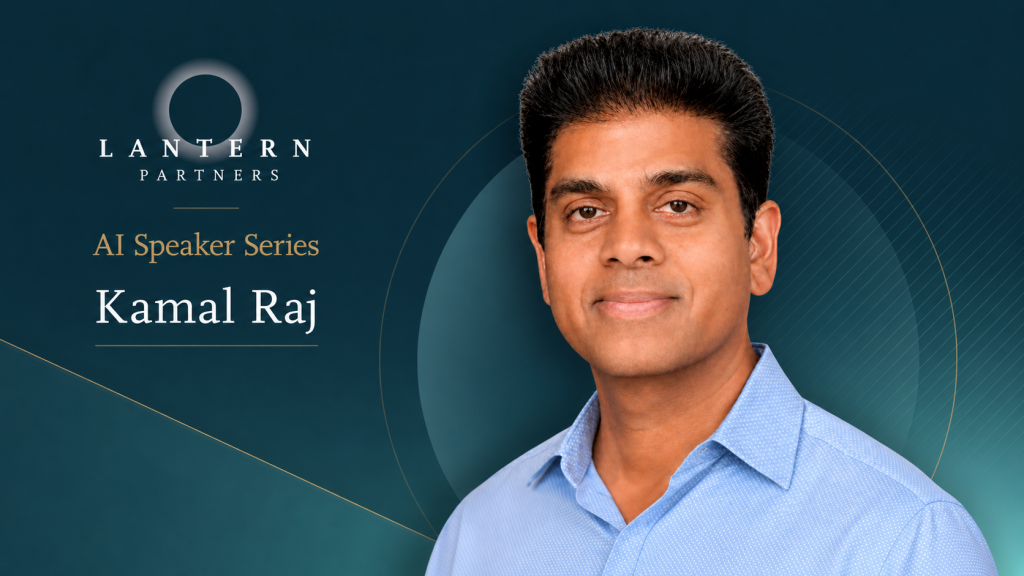
Kamal Raj leads AI engineering at a top-five global law firm. Before that, he built production AI workflows inside PwC before GPT-4 existed. His mandate today is straightforward: show margin impact.
In this session, Kamal walked a curated audience of PE investors and services CEOs through what his team has learned after two years of shipping AI into live operations. The conversation covered where firms are investing incorrectly, why most AI pilots stall after the proof of concept, and what actually moves the needle on margins.
He also addressed the harder question that follows the early wins: what happens when the obvious cost reductions are behind you and AI begins to reshape how the business generates revenue.
This 5-minute overview below captures the key moments from the full session.
Among the topics Kamal addressed: Why your 18-month AI roadmap is probably built on assumptions that have already shifted. Three generations of AI capability have come and gone in four years, and each one has made the previous generation’s investments obsolete.
Why codifying your firm’s expertise into AI skills (not software) is the highest-value investment you can make right now. The firms that figure this out first will have a defensible asset. The ones that do not will be building software that gets replaced every cycle.
How “agent as a service” could turn internal AI capabilities into a new revenue line. This is where the multiple expansion story lives for services businesses.
Why culture, not technology, is the true bottleneck to AI-driven transformation. The tools are moving faster than most organizations can absorb them.
And a grounded example of what happens when citizen-led AI experimentation works for one person but fails to scale, and what the real solution turned out to be.
If you would like to see the entire presentation, please view the video below.